When analyzing the modern landscape of Hollywood personal branding, the trajectory of Jon Gries offers a masterclass in digital minimalism and career longevity. While contemporary actors are often pressured to become full-time content creators, Gries represents a powerful counter-trend: the 'quiet brand.' Best known to pop culture as the fiercely delusional Uncle Rico in the indie smash Napoleon Dynamite, and to prestige TV fans as Roger Linus on Lost, his career spans decades of genre-hopping. In this trend report, we examine how veteran character actors leverage mystique, portfolio-driven branding, and strategic digital absence to maintain audience intrigue.
The Jon Gries Career Landscape: From Indie Darling to Streaming Veteran
The current entertainment landscape is heavily skewed toward 'influencer-actors'—talent who leverage massive social media followings to secure roles. However, a parallel and equally lucrative trend has emerged in the streaming era: the premium placed on veteran character actors who bring instant credibility and nostalgia to ensemble casts. Jon Gries sits squarely at the intersection of cult nostalgia and prestige television. He is an actor whose brand is defined not by viral TikTok dances or curated Instagram grids, but by a relentless work ethic and an unmistakable on-screen eccentricity.
For personal branding professionals and aspiring creatives, Gries represents the 'Anti-Influencer' archetype. His brand equity is tied entirely to his output. By refusing to dilute his mystique with oversharing, he ensures that when audiences see him, they see the character, not the celebrity. This preservation of the 'suspension of disbelief' is a rare commodity in an era of radical digital transparency.
| Attribute | Details |
|---|---|
| Full Name | Jonathan Stephen Gries |
| Born | June 17, 1957 (Glendale, California) |
| Nationality | American |
| Known For | Uncle Rico (Napoleon Dynamite), Roger Linus (Lost) |
| Social Media Strategy | Digital Minimalism / Portfolio-First |
Filmography & Career Highlights: Building a Film-First Brand
To understand the Jon Gries brand, one must look at his filmography as a masterfully curated portfolio. Unlike actors who peak early and fade, Gries has continuously pivoted across genres, ensuring his relevance across multiple generations of viewers.
The 80s and 90s: Cult Classics and Genre Bending
Gries cut his teeth in the vibrant, eccentric cinema of the 1980s and 90s. With early roles in films like Joysticks (1983) and guest spots on groundbreaking television like The X-Files, he established himself as a reliable presence for offbeat, memorable characters. This era built his foundational brand identity: the versatile character actor who could elevate any scene with subtle, often quirky, mannerisms.
The 2000s Indie Boom and Meme Immortality
The 2004 release of Napoleon Dynamite changed the cultural landscape of indie comedy, and Gries’ portrayal of Uncle Rico became instantly iconic. The line, 'How much you wanna make a bet I could throw a football over them mountains?' birthed one of the early internet's most enduring memes. From a branding perspective, Gries faced a critical juncture: lean into the meme and become a caricature, or use the visibility to book more complex roles. He chose the latter, parlaying indie fame into a recurring, dramatic role on the global phenomenon Lost as Roger Linus, the complicated father of the show's primary antagonist.
The Streaming Era: Gritty TV and Directing
In the modern streaming landscape, Gries has transitioned into authoritative, often gritty roles. His work in the Taken television series, Hulu's Runaways, and his dual role as actor and director on USA Network's The Purge series demonstrate a brand that has matured. He is no longer just the quirky indie sidekick; he is a seasoned industry veteran capable of helming episodes and anchoring dramatic arcs.
Social Media Presence: The Power of Digital Minimalism
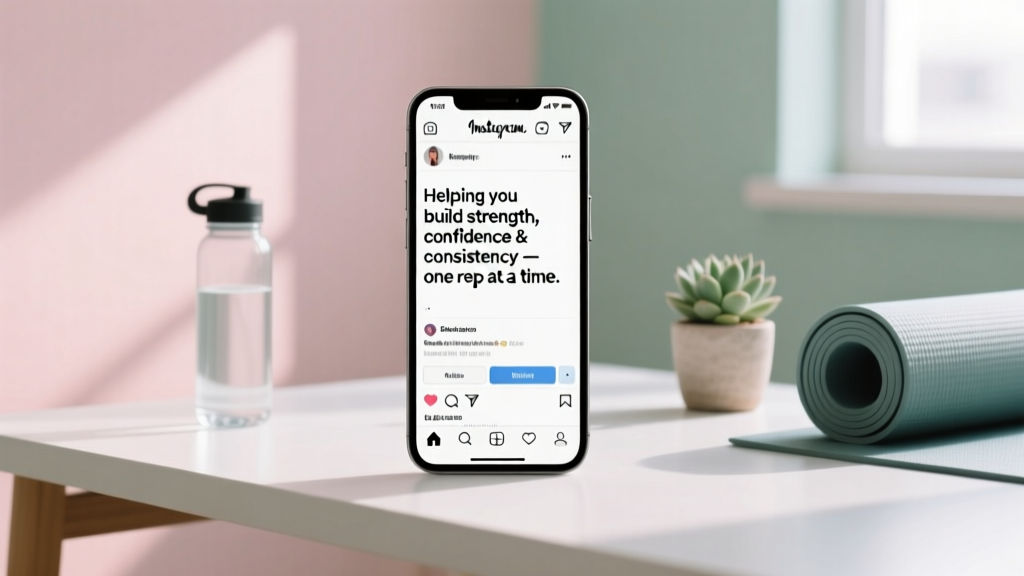
If you search for a verified, hyper-active Jon Gries Instagram or TikTok account, you will come up empty-handed. In the context of modern personal branding, this absence is not a failure; it is a strategic masterstroke known as 'Digital Minimalism' or the 'Ghost Brand' approach.
For character actors, oversharing is a liability. When an actor posts daily vlogs about their morning routine, their political opinions, or their behind-the-scenes antics, they erode the mystery required to play diverse roles. Audiences begin to see the actor's personality rather than the character's. By maintaining a virtually non-existent personal social media footprint, Gries forces the public to engage with his work exclusively through official studio channels, interviews, and red-carpet premieres.
This approach creates a 'scarcity value' around his personal life. When he does appear in promotional material or rare interviews, the audience is highly engaged because the access is limited. Furthermore, by not maintaining a personal feed, he avoids the pitfalls of cancel culture, algorithmic burnout, and the exhaustion of constant content creation. His 'bio' is effectively his IMDb page—a pristine, uncluttered list of professional achievements that speaks for itself.
Personal Branding Takeaways: What We Can Learn
While most of us are not Hollywood actors, the branding strategies employed by veteran character actors offer profound lessons for professionals, freelancers, and creatives looking to optimize their own digital bios and online presence.
1. Curate by Omission (The Power of the Blank Space)
Your social media bio and feed do not need to document every aspect of your life. Like Gries, you can choose to leave out the mundane. A highly curated, minimalist profile that only highlights your best work, major milestones, and core professional values often commands more respect than a cluttered, oversharing feed. Mystery breeds intrigue; oversharing breeds familiarity, which can sometimes lead to a loss of professional authority.
2. Let Your Portfolio Be Your Bio
Gries doesn't need to tell you he is a versatile actor; his filmography does the heavy lifting. For your own personal brand, ensure your 'link in bio' or portfolio site is robust. If your work is undeniably good, your social media presence only needs to serve as a directional signpost pointing people toward your actual output. Optimize your bio to highlight your greatest hits rather than your daily thoughts.
3. Separate the 'Meme' from the Professional
Many professionals have one specific skill, viral moment, or niche that they are known for (their 'Uncle Rico' moment). The temptation is to endlessly repeat that one trick to chase engagement. Gries’ career proves that acknowledging your viral success while actively pivoting to show your broader range is the key to longevity. Use your most popular trait as a hook, but use your bio and content strategy to showcase your deeper, more serious capabilities.
4. The 'Anti-Influencer' Positioning
In industries saturated with loud, hyper-promotional personal brands, adopting a quiet, confident, and work-focused persona can make you stand out immediately. Positioning yourself as a 'craftsperson' rather than an 'influencer' attracts a different, often more lucrative, tier of clients and collaborators who value substance over virality.
Sources consulted for this career and branding analysis include his comprehensive filmography on IMDb, critical retrospectives and audience metrics via Rotten Tomatoes, and industry standards on actor representation and craft via SAG-AFTRA.