Louis Gossett Jr. was more than just an Academy Award-winning actor; he was a cultural pillar whose personal brand radiated dignity, mentorship, and activism. When examining the digital footprint of Louis Gossett Jr., we aren't looking at viral dance trends or influencer drama. Instead, we are reviewing a masterclass in legacy building. For actors of his generation, social media often presents a unique challenge: balancing a decades-long cinematic legacy with the fast-paced demands of modern algorithms. In this pros, cons, and critical review, we break down how the legendary star utilized social media to amplify his voice, where his digital strategy fell short, and how you can apply his timeless branding principles to your own Instagram bio and online persona.
Quick Facts: The Legend at a Glance
| Attribute | Details |
|---|---|
| Full Name | Louis Cameron Gossett Jr. |
| Born | May 29, 1936 (Brooklyn, New York) |
| Died | March 29, 2024 (Santa Monica, California) |
| Nationality | American |
| Known For | An Officer and a Gentleman, Roots, Watchmen |
| Major Awards | Academy Award, Primetime Emmy Award, Golden Globe |
| Primary Social Handles | @louisgossettjr (Instagram/X Legacy), @EraseTheHate |
Career Highlights & The Foundation of His Brand
To understand a celebrity's digital presence, you must first understand the bedrock of their career. Gossett's brand was built on authority, resilience, and groundbreaking representation. He made history as the first Black man to win the Academy Award for Best Supporting Actor for his iconic role as Gunnery Sergeant Emil Foley in An Officer and a Gentleman (1982). He further cemented his status as a television legend with his Emmy-winning performance in Roots (1977).
Decades later, Gossett proved his brand was timeless, experiencing a massive late-career renaissance with his role as Will Reeves (Hooded Justice) in HBO's Watchmen, which earned him another Emmy in 2020. This career trajectory—moving from trailblazer to cultural icon to revered elder statesman—heavily informed how he presented himself online. His digital identity was never about chasing fleeting relevance; it was about documenting a profound legacy.
Social Media Presence: A Purpose-Driven Archive
Unlike contemporary actors who use Instagram for behind-the-scenes selfies or TikTok for comedic sketches, Gossett's social media presence functioned as a digital archive and a megaphone for his philanthropy. His primary digital focus was heavily intertwined with his non-profit organization, the Erase the Hate Foundation, which he founded in 2007 to combat racism and hatred.
His Instagram and X (formerly Twitter) profiles were characterized by high-quality, professional photography, quotes on social justice, and reflections on his historic career milestones. The tone was consistently paternal, wise, and grounded. He used his platforms not to sell a lifestyle, but to impart wisdom and advocate for societal change, treating his followers more like students and community members than fans.
Pros: What Made His Online Presence Powerful
1. A Mission-Driven Bio and Profile
The strongest element of Gossett's digital branding was its clarity of purpose. His bios didn't just list his IMDb credits; they highlighted his activism. By anchoring his profile to the Erase the Hate Foundation, he immediately communicated his core values. For personal branding, this is a massive pro. It tells the audience exactly what you stand for, elevating your profile from a simple resume to a platform for impact.
2. Unshakable Visual Consistency
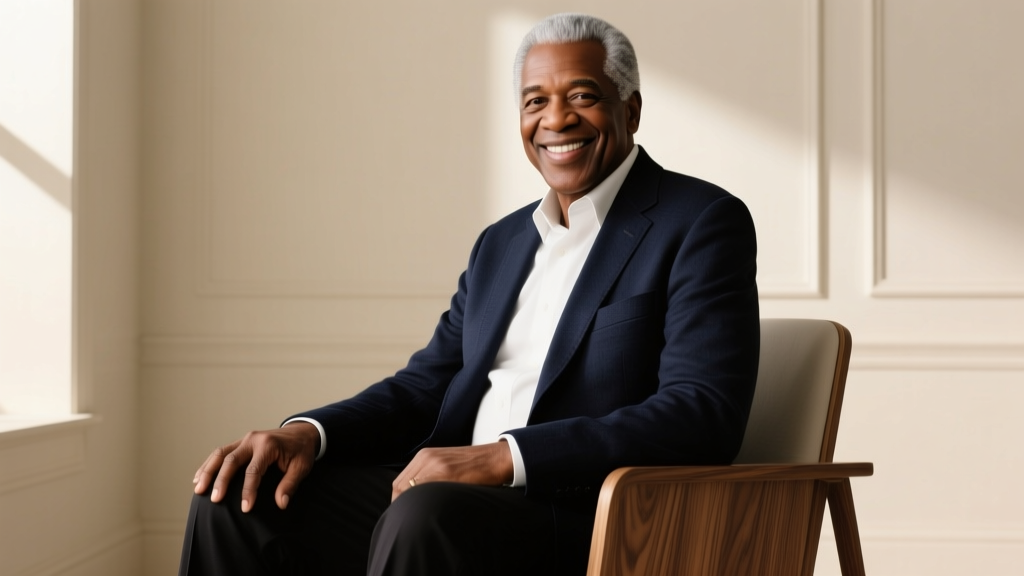
Gossett's visual branding was impeccable. He favored classic, dignified portraiture, often in sharp suits or traditional African garments. This visual consistency reinforced his brand archetype: The Sage and The Ruler. There were no out-of-character, blurry paparazzi shots cluttering his grid. Every image served to reinforce the respect and authority he commanded in Hollywood.
3. Cross-Generational Storytelling
When HBO's Watchmen introduced him to a new, younger demographic, his digital team adeptly bridged the gap. They shared high-quality stills from the show alongside historical context of his earlier work, allowing younger fans to appreciate the full scope of his career. This cross-generational appeal is a rare feat in digital branding and was executed with elegance.
Cons: The Limitations of a Legacy Digital Strategy
1. Low Interactive Engagement
The primary drawback of Gossett's social media strategy was a lack of two-way engagement. His posts rarely featured direct replies to fan comments, Q&A sessions, or interactive Stories. While this maintains an aura of mystique and Hollywood royalty, it limits the algorithmic reach and community-building potential of the platforms. Modern personal branding thrives on conversational reciprocity, an area where his legacy accounts remained largely static.
2. Over-Reliance on PR-Style Posting
Many of his posts read like traditional press releases—announcing appearances, sharing official movie posters, or posting formal statements. While professional, this approach lacks the raw, authentic vulnerability that drives deep parasocial connections on modern social media. Audiences today crave the "person" behind the "persona," and Gossett's digital footprint kept the curtain firmly drawn.
3. Underutilization of Video Formats
Despite being a masterful actor with an incredible speaking voice, his social profiles rarely leveraged short-form video (like Instagram Reels) to share acting anecdotes, vocal warm-ups, or direct-to-camera wisdom. Video is the highest-converting medium for personal branding, and missing out on this format left a significant amount of digital influence on the table.
Critical Review: A Masterclass in Purposeful Branding
When critically reviewing the digital presence of Louis Gossett Jr., it is vital to judge it by the metrics of his own goals, not the vanity metrics of modern influencers. If the goal of his social media was to drive viral engagement or secure brand sponsorships, it fell short. However, if the goal was to cement a legacy, advocate for civil rights, and maintain the dignity of a Hollywood pioneer, it was a resounding success.
Gossett's online presence proves that personal branding does not require compromising your dignity to appease an algorithm. He refused to participate in digital trends that didn't align with his values. Instead, he used his platform to ensure his foundational message—that of love, resilience, and eradicating hate—outlived his physical presence. According to his foundation's mission statements, his digital footprint was an extension of his life's work, making his social media a digital monument rather than a mere promotional tool.
Personal Branding Takeaways for Your Bio
What can everyday users, entrepreneurs, and creators learn from the digital legacy of Louis Gossett Jr.? Here are three actionable takeaways to elevate your own Instagram bio and personal brand:
- Anchor Your Bio to a Mission: Don't just list your job title. Like Gossett highlighting his foundation, use your bio's limited characters to state what you care about. Example: "Software Engineer | Building accessible tech for neurodivergent minds."
- Curate Your Visual Archetype: Your grid is your digital gallery. Decide how you want to be perceived (The Sage, The Rebel, The Creator) and ensure your profile picture and pinned posts reflect that archetype consistently. Ditch the blurry photos for images that command respect.
- Use the "Link in Bio" for Impact: Gossett used his link to drive traffic to his anti-hate non-profit. Use your link-in-bio tool to direct your audience to something meaningful—whether that's a portfolio, a cause you support, or a resource that helps your community, rather than just a link to your latest selfie.
By adopting the dignity, clarity, and purpose that defined Louis Gossett Jr.'s life and digital footprint, you can craft a personal brand that resonates deeply and stands the test of time.