
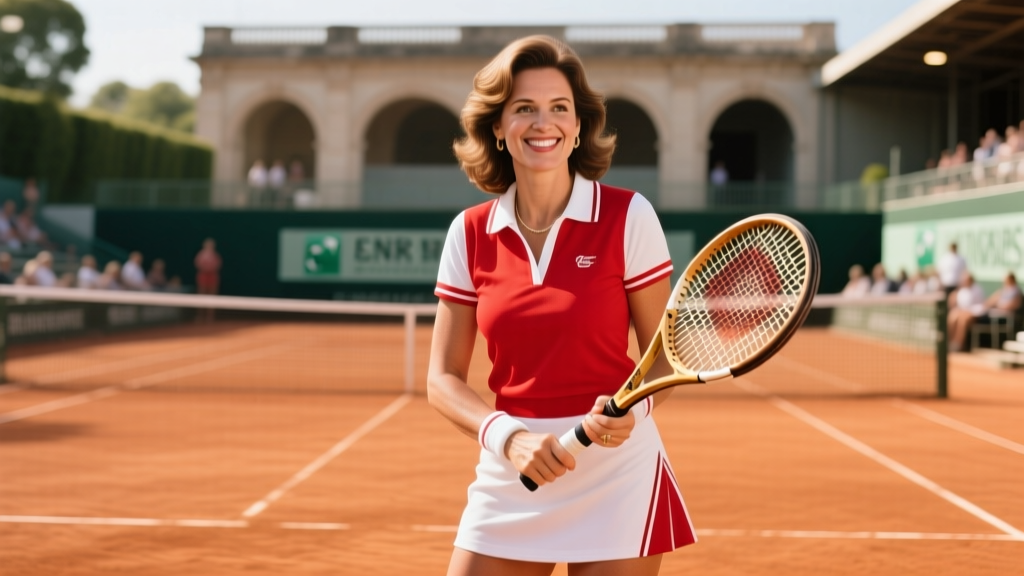
When discussing the evolution of sports media and personal branding, few figures command the respect and immediate recognition of Mary Carillo. Long before the era of curated Instagram grids and viral TikTok soundbites, Carillo established a masterclass in authority building, sharp wit, and unapologetic authenticity. For readers looking to craft a personal brand that stands the test of time, the Mary Carillo origin story offers a fascinating blueprint. She transitioned from a promising professional tennis player to one of the most decorated and recognizable voices in sports broadcasting history. Whether you are an entrepreneur, a creative, or a corporate professional, understanding how legacy figures maintain their relevance is crucial. By analyzing her career trajectory, we can uncover how to build a brand rooted in expertise rather than fleeting internet trends.
The Quick Facts: Mary Carillo at a Glance
| Attribute | Details |
|---|---|
| Full Name | Mary Carillo |
| Born | March 15, 1957 (Queens, New York) |
| Nationality | American |
| Known For | 1977 French Open Mixed Doubles Champion, Emmy-Winning Sports Broadcaster, Documentary Filmmaker |
| Social Media Handles | Notoriously private; relies on television and legacy media platforms rather than personal social accounts. |
The Origin Story: From Queens to Roland Garros
Born on March 15, 1957, in Queens, New York, Mary Carillo was immersed in the competitive world of New York tennis from a young age. She trained at the prestigious Port Washington Tennis Academy, where she famously hit balls and traded barbs with a young John McEnroe. This childhood friendship and fierce competitive dynamic would later become a cornerstone of her broadcasting persona. Carillo turned professional in 1977, a year that would prove to be the pinnacle of her on-court career. Teaming up with her childhood friend McEnroe, she captured the French Open mixed doubles title at Roland Garros. It was a spectacular achievement that proved her mettle on the clay courts of Paris.
However, the physical toll of professional tennis was unforgiving. Plagued by chronic knee injuries, Carillo underwent multiple surgeries. Despite her immense talent and tactical brilliance, the physical limitations forced her to retire from the professional tour in 1980 at just 23 years old. For many athletes, an early retirement due to injury represents a devastating loss of identity. For Carillo, it was the catalyst for a complete reinvention. Her origin story teaches us that a closed door in one arena often forces you to discover your true voice in another.
Pivoting to the Booth: Forging a Broadcasting Legacy
Almost immediately after hanging up her racket, Carillo stepped behind the microphone. In 1980, she began her broadcasting career with USA Network, and it quickly became apparent that she possessed a rare gift for articulation and entertainment. Unlike many former athletes who struggle to translate their physical instincts into verbal analysis, Carillo was a natural storyteller. She moved through the ranks of major networks, including CBS Sports, NBC, ESPN, and eventually becoming a staple on the Tennis Channel.
What made her brand so distinctive was her refusal to rely on tired sports cliches. She coined the term 'Big Babe Tennis' to describe the powerful baseline game of players like Lindsay Davenport and Venus Williams, showcasing her ability to shape the lexicon of the sport. She also became a cornerstone of NBC's Olympic coverage, bringing her sharp analysis to a global audience every four years. Whether covering the grass courts of Wimbledon or the hard courts of the US Open, her presence elevated the broadcast.
Her broadcasting resume expanded far beyond tennis. She became a respected documentary filmmaker and hard-hitting sports journalist, contributing to HBO's Real Sports with Bryant Gumbel. Her dedication to authentic storytelling earned her multiple Sports Emmy Awards and, in 2018, the International Tennis Federation awarded her the prestigious Philippe Chatrier Award for her outstanding contributions to the sport globally. Her personal brand evolved from 'former player' to 'definitive voice.'
Social Media Presence: The Power of the Legacy Authority
If you search for Mary Carillo on Instagram or Twitter, you will not find a verified, hyper-active account pumping out daily selfies, sponsored posts, or viral engagement bait. In the modern digital landscape, this absence might seem like a branding misstep to the untrained eye. However, Carillo represents the ultimate 'Legacy Authority' model. Her personal brand does not live in a 150-character social media bio; it lives in her televised introductions, her Peabody and Emmy-winning body of work, and her unimpeachable reputation among her peers.
For professionals and creators analyzing their own digital footprint, Carillo's approach offers a profound lesson: your platform is only as strong as your underlying substance. When your expertise is undeniable, you do not need to chase algorithms or participate in exhausting social media trends. Her 'bio' is written by the networks that hire her, the awards committees that honor her, and the audiences that tune in specifically to hear her unique perspective. She proves that in a world of noisy influencers, being a respected authority is the most powerful personal brand you can cultivate.
Personal Branding Takeaways: What We Can Learn
How can you apply the Mary Carillo origin story to your own social media bios and personal branding efforts? Here are four actionable takeaways:
- Cultivate a Signature Voice: Carillo is beloved because she is unapologetically herself. She blends deep tactical knowledge with dry, biting humor. When writing your own bio or creating content, do not mimic the generic corporate speak of your industry. Inject your unique sense of humor and perspective into your profile. Authenticity outlasts trends.
- Embrace the Pivot: Carillo's knee injuries ended her playing days, but she used her deep understanding of the game to pivot into media. If you are changing careers or industries, use your bio to tell the story of your evolution. Frame your past experiences as the foundation for your current expertise.
- Let Your Portfolio Be Your Bio: If you are an expert in your field, your social media bio should act as a funnel to your actual work. Instead of stuffing your profile with buzzwords, link directly to your portfolio, your published articles, or your major projects. Let your tangible achievements speak louder than your follower count.
- Quality Over Quantity: You do not need to post every day to remain relevant. Carillo's legacy proves that showing up with high-quality, well-researched, and deeply thoughtful insights when it matters most will always trump high-frequency, low-value content. Focus your energy on creating definitive work rather than daily noise.
Sources and Further Reading
To dive deeper into the career and accolades of Mary Carillo, explore the following resources: