Mons Veneris Pubis: Anatomy Influencer Branding Guide
When navigating the complex world of digital health education, few subjects require as much tact, precision, and strategic branding as Mons Veneris Pubis. While traditionally known as a foundational anatomical term rather than a conventional celebrity, Mons Veneris Pubis has effectively become a marquee name in the realms of body-positive advocacy, medical education, and wellness influencer circles. For social media managers, health educators, and personal branding experts, understanding how to present specialized anatomical concepts to a mainstream audience is a masterclass in digital communication. In this beginner-friendly explainer, we will treat this essential anatomical subject as the 'star' of our profile analysis, breaking down how top-tier medical influencers and wellness brands build their Instagram bios, navigate algorithmic sensitivities, and foster community engagement around human anatomy.
To understand the branding power of this keyword, we must look at how pelvic floor physical therapists, OB-GYNs, and body-neutrality advocates leverage educational content to demystify human biology. By analyzing the digital footprint of this highly searched anatomical term, we can extract powerful personal branding takeaways that apply to any niche, highly specialized, or historically stigmatized topic on platforms like Instagram and TikTok. Whether you are a medical professional, a wellness coach, or an educator, the strategies used to elevate this topic offer a blueprint for building authority, trust, and community in your own social media bio.
Quick Facts: The Anatomy of a Digital Brand
| Attribute | Details |
|---|---|
| Full Name | Mons Veneris (Latin) / Mons Pubis (Modern Anatomical Terminology) |
| Origin / 'Born' | Centuries ago via Latin medical nomenclature and classical anatomy |
| Nationality | Universal (Human Biology & Global Medical Education) |
| Known For | Anatomical education, body positivity, pelvic health awareness, and medical terminology |
| Social Media Handles | #MonsPubis, #PelvicHealth, #AnatomyMatters, #BodyNeutrality, #MedicalEducation |
The Digital Footprint of Mons Veneris Pubis in Modern Media
In the ecosystem of Instagram and TikTok, medical terminology often faces a unique hurdle: the algorithm. Platforms are notoriously strict regarding anatomical terms, frequently flagging educational content under the guise of adult content policies. Consequently, the 'brand' of Mons Veneris Pubis has been championed not by a single individual, but by a collective of verified medical professionals, pelvic health physiotherapists, and body-positive educators who have mastered the art of the 'Beginner-Friendly Explainer.' These creators use their profiles to translate dense medical jargon into accessible, empowering, and highly shareable infographics.
The presence of this anatomical term in digital spaces represents a massive shift toward body literacy. Historically, the mons pubis was rarely discussed outside of clinical settings or artistic contexts (where it was romanticized as the 'Mount of Venus'). Today, it is a central keyword in discussions surrounding pelvic floor health, postpartum recovery, and body neutrality. Influencers who center their educational content around this and related anatomical structures must craft a personal brand that is instantly recognizable as safe, scientific, and authoritative. Their Instagram bios serve as the ultimate waiting room, setting the tone for the clinical yet approachable education that follows in their Reels and carousel posts.
Social Media Presence and Bio Breakdown for Health Educators
How do top-tier health educators structure their Instagram bios when their content revolves around sensitive anatomical terms like Mons Veneris Pubis? The answer lies in a delicate balance of authority signaling, algorithmic navigation, and community building. Let us break down the anatomy of a highly optimized health educator's bio.
1. The 'Name Field' SEO Strategy
On Instagram, the Name Field is searchable, whereas the handle is not. Creators focusing on pelvic health rarely just use their given name. Instead, they optimize this space with high-intent keywords. A typical Name Field reads: 'Dr. Jane | Pelvic Health PT' or 'Sarah | Body Literacy & Anatomy.' This ensures that when users search for educational content regarding the mons pubis or pelvic floor, the profile surfaces in the search results, bypassing the need to use potentially flagged hashtags in every post.
2. Authority and Safe-Space Signaling
Trust is the currency of medical social media. Bios for these educators heavily feature credentials (MD, PT, DPT, RN) alongside pronouns and safe-space indicators (e.g., 'LGBTQ+ Affirming,' 'Trauma-Informed'). Because discussing the mons veneris pubis intersects with gender identity, postpartum changes, and sexual health, establishing a trauma-informed baseline right in the bio is crucial for follower retention and engagement.
3. The 'Link in Bio' Workaround
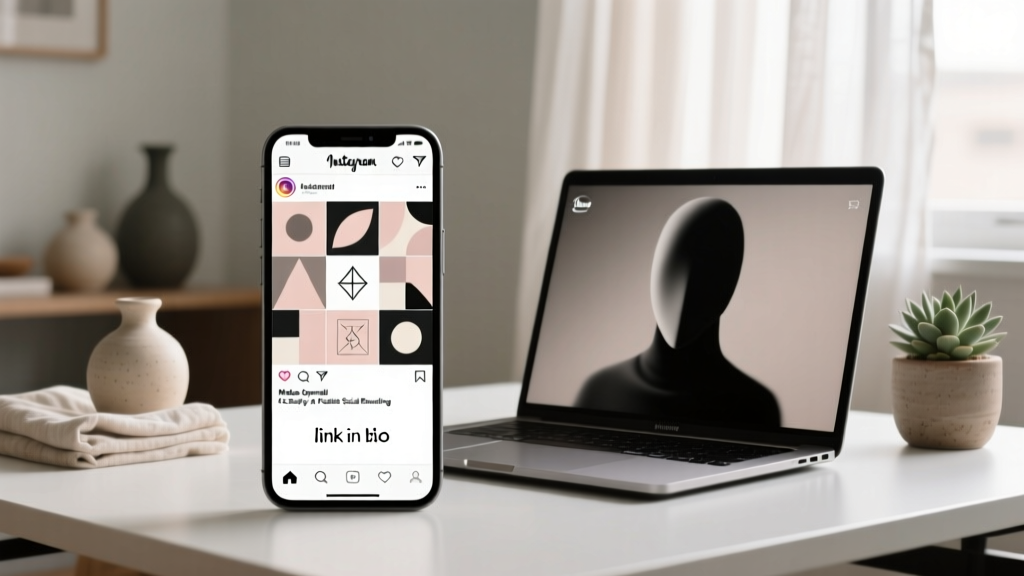
Because Instagram's algorithm can be hostile to anatomical diagrams, educators use their bio link strategically. Instead of linking to a generic homepage, the bio link directs followers to a Linktree or Beacons page titled 'Free Anatomy Guides & Uncensored Educational Resources.' This keeps the main Instagram feed compliant with community guidelines while providing a secure, off-platform space for deep-dive medical illustrations and comprehensive beginner-friendly explainers.
Navigating Algorithmic Sensitivities and Shadowbans
Any personal brand built around human anatomy must be prepared for shadowbans. When creators post educational carousels about the mons veneris pubis, they often face reduced reach due to automated AI moderation that misidentifies medical diagrams as explicit content. Successful brands combat this through strategic bio and caption framing. They use terms like 'Clinical Education,' 'Anatomy Diagram,' and 'Medical Science' prominently in their bio and highlight covers to signal to both human moderators and AI algorithms that the account is a verified educational entity.
Furthermore, these creators utilize Instagram Highlights to categorize their content safely. Highlights titled 'Myth vs. Fact,' 'Pelvic Anatomy 101,' and 'Patient FAQs' act as an extension of the bio, providing immediate value to new followers without risking the algorithmic penalties associated with feed posts. This structural approach to profile optimization is a masterclass in turning platform limitations into branding opportunities.
Personal Branding Takeaways for Your Own Instagram Bio
You do not need to be a pelvic floor physical therapist to learn from the digital branding strategies surrounding Mons Veneris Pubis. If you operate in a niche, complex, or historically stigmatized industry, here are the core personal branding takeaways you can apply to your own lovemebio-inspired profile:
- Lead with Empathy and Authority: If your niche involves sensitive topics, your bio must immediately establish you as a safe, credentialed, and empathetic guide. Use your bio lines to state your philosophy (e.g., 'Demystifying [Your Niche] with Science & Empathy').
- Optimize for Search, Not Just Aesthetics: Treat your Name Field as a search engine optimization tool. Include the exact terms your target audience is searching for when they need help, ensuring your profile is discoverable even if your handle is abstract.
- Use Highlights as a Bio Extension: Your bio is limited to 150 characters. Use your Highlight covers to answer the most common beginner questions in your industry, effectively turning your profile into a micro-website that builds instant trust.
- Master the Off-Platform Funnel: If your industry faces strict social media censorship or algorithmic hurdles, use your bio to drive traffic to an owned platform (like a newsletter or private community) where you can provide the unfiltered, comprehensive education your audience craves.
Sources and Further Reading
The strategies discussed in this profile analysis are grounded in the digital practices of leading medical institutions and health communication guidelines:
- Planned Parenthood Federation of America: Digital glossaries and social media frameworks for body-positive anatomical education and accessible health literacy.
- The American College of Obstetricians and Gynecologists (ACOG): Guidelines on patient education, emphasizing the use of clear, non-stigmatizing language when discussing pelvic anatomy and reproductive health.
- Instagram Community Guidelines on Health and Wellness: Frameworks detailing how medical professionals can verify their accounts and properly label educational diagrams to avoid algorithmic suppression.