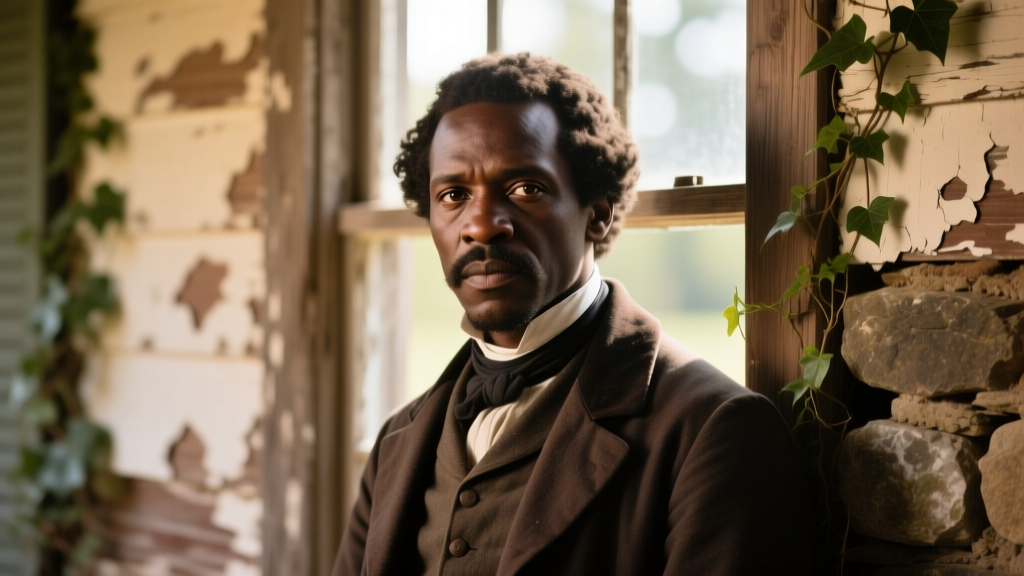
At LoveMeBio, we typically analyze the Instagram bios and digital footprints of modern influencers, actors, and entrepreneurs. However, true personal branding is not just about viral moments; it is about legacy, narrative control, and the enduring power of an origin story. To understand the ultimate origin story, we must look back to a figure whose life, actions, and historical "bio" fundamentally altered the course of a nation: Nat Turner.
While Nat Turner lived and died centuries before the invention of social media, his legacy operates as a powerful historical brand across digital platforms today. Modern historians, digital educators, and cultural institutions use Instagram, X (formerly Twitter), and TikTok to curate his narrative. By examining the Nat Turner origin story and how his legacy is digitally packaged today, we can extract profound personal branding lessons about authenticity, narrative weight, and building a legacy that outlasts a lifetime.
Quick Facts: The Historical Profile
| Attribute | Details |
|---|---|
| Full Name | Nathaniel Turner |
| Born | October 2, 1800 (Southampton County, Virginia) |
| Died | November 11, 1831 (Jerusalem, Virginia) |
| Nationality | American |
| Known For | Leading the 1831 Southampton slave rebellion |
| Primary "Bio" Source | The Confessions of Nat Turner (1831) |
| Digital Presence | Curated by @smithsonian, @africanamericanhistory, and digital historians |
The Origin Story of Nat Turner: From Enslavement to Leadership
Every iconic personal brand is anchored by a compelling origin story—the "why" behind the "what." For Nat Turner, his origin story is rooted in a stark contrast between his physical enslavement and his intellectual and spiritual liberation. Born into slavery in Southampton County, Virginia, Turner was recognized early on for his sharp intellect. He learned to read and write, a rare and dangerous achievement for an enslaved person in the antebellum South.
His origin story is not just one of hardship, but of profound spiritual awakening. Turner spent years in prayer, fasting, and studying religious texts. He began to experience visions, which he interpreted as divine mandates to lead his people out of bondage. This spiritual foundation became the core of his identity and his leadership brand. He was not merely a rebel; in the eyes of his followers, he was a prophet. This duality—strategic military leader and spiritual visionary—makes his historical origin story one of the most complex and heavily analyzed narratives in American history.
Nat Turner in the Digital Age: Social Media Curation & Legacy
Because Nat Turner died in 1831, he does not have a personal Instagram or TikTok account. However, his digital legacy is highly active. Today, his "brand" is managed and amplified by digital curators, museum accounts, and historical educators on social media. Analyzing how these platforms present his origin story offers a masterclass in legacy branding.
On platforms like Instagram, accounts dedicated to African American history (such as those affiliated with the Smithsonian or independent digital historians) utilize high-contrast, minimalist typography to quote Turner’s visions and historical records. They use carousel posts to break down the timeline of the 1831 rebellion, treating his history with the gravity of a modern documentary. On TikTok and YouTube Shorts, educators use narrative-driven voiceovers paired with historical woodcuts and maps to engage younger demographics.
The digital curation of Nat Turner relies on narrative consistency. Curators do not shy away from the brutal realities of his rebellion; instead, they frame his actions within the broader context of the fight for human rights. This teaches modern brand builders a vital lesson: authentic legacy building requires embracing the full, unvarnished truth of your origin story, rather than sanitizing it for mass consumption.
Deconstructing the Historical "Bio": The Confessions
In the modern era, your Instagram bio or LinkedIn summary is your digital introduction. In 1831, Nat Turner’s "bio" was documented in The Confessions of Nat Turner, a pamphlet dictated to lawyer Thomas Ruffin Gray while Turner was in hiding and awaiting trial.
While historians debate the extent to which Gray influenced or altered Turner’s exact words, The Confessions remains the foundational text of Turner’s personal narrative. It is a masterclass in controlling one's narrative under extreme duress. Turner used this opportunity to explain his motivations, detailing his visions and his divine justification. He ensured that history would not simply record him as a criminal, but as a man acting on profound spiritual conviction. For modern professionals, this underscores the importance of defining your own narrative before others define it for you.
Personal Branding Takeaways: Crafting Your Origin Story
What can a modern entrepreneur, creator, or professional learn from the history and digital legacy of Nat Turner? Here are the core branding takeaways derived from his enduring impact:
- 1. The Power of a Defining "Why": Turner’s leadership was fueled by a deep, spiritual conviction. In personal branding, your "why" is your anchor. Whether you are building a business or a creative portfolio, audiences connect with purpose far more than they connect with products. Your bio should clearly articulate the driving force behind your work.
- 2. Legacy Over Virality: Modern social media often rewards fleeting trends. Turner’s legacy reminds us that true impact is built on actions that challenge the status quo and demand long-term reflection. Build a personal brand focused on lasting value, community impact, and historical weight rather than temporary metrics.
- 3. Own Your Narrative: Just as Turner ensured his motivations were recorded in The Confessions, you must take control of your digital bio. Do not let algorithms or third-party perceptions define your professional identity. Use your website, LinkedIn, and social bios to tell your origin story in your own words.
- 4. Visual Gravity in Digital Curation: When digital historians post about Turner, they use respectful, high-contrast visuals that match the weight of the subject matter. Ensure your visual branding (color palettes, typography, photography) aligns with the seriousness and quality of your professional mission.
Sources & Further Reading
To dive deeper into the history and origin story of Nat Turner, consult the following reputable historical archives: