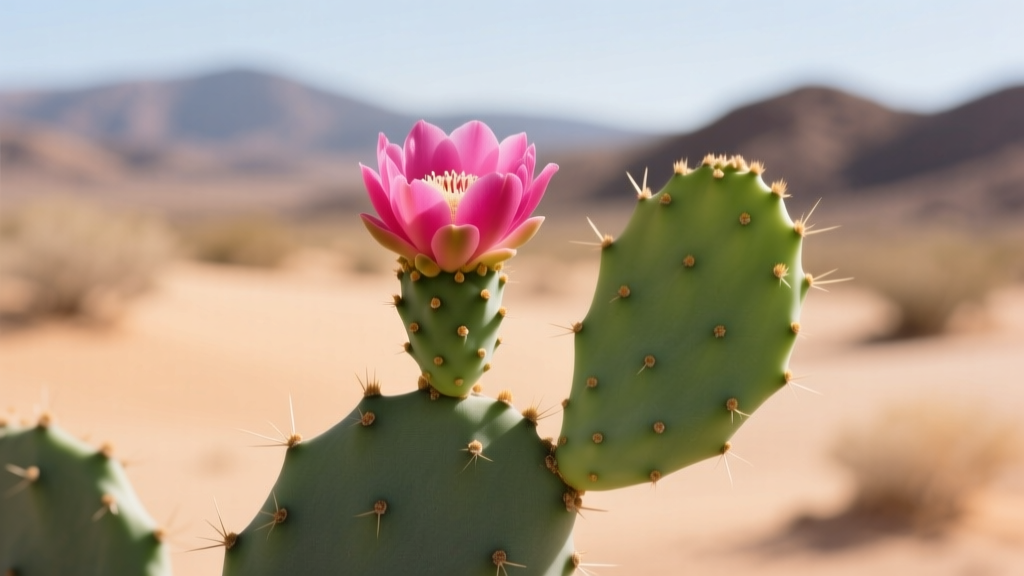
Opuntia Cactaceae: The Origin Story of a Botanical Celebrity
When we think of social media celebrities, we usually picture actors, musicians, or digital influencers. However, the botanical world has its own icons, and few command as much respect, historical weight, and aesthetic appeal as Opuntia Cactaceae. While technically a genus of flowering plants in the cactus family, Opuntia Cactaceae has achieved "celebrity" status across global cultures, culinary scenes, and sustainable fashion markets. From its sacred origins in Mesoamerica to its current reign over Instagram’s "desert core" and eco-friendly branding aesthetics, the story of this resilient plant is a masterclass in longevity and adaptation. By examining the history and origin story of Opuntia Cactaceae, digital creators and personal brands can uncover profound lessons in resilience, niche positioning, and visual storytelling. Let us dive into the deep roots of this botanical icon and explore how its legacy translates into modern social media branding.
Quick Facts: The Profile of Opuntia Cactaceae
| Attribute | Details |
|---|---|
| Full Scientific Name | Opuntia (Genus), Cactaceae (Family) |
| Common Names | Prickly Pear, Nopal, Paddle Cactus |
| Origin / "Born" | Cretaceous Period (approx. 65 million years ago) |
| "Nationality" (Native Range) | The Americas (Mesoamerica, Andes, North America) |
| Known For | Edible fruit (tuna), paddles (nopales), cochineal dye, cactus leather |
| Social Media Aesthetic | Desert Core, Minimalist Succulent, Eco-Sustainability |
Mesoamerican Roots: The Sacred Origin Story
The origin story of Opuntia Cactaceae is deeply intertwined with the birth of one of the greatest civilizations in human history. Long before it was a staple of modern Instagram aesthetics, the Opuntia cactus was a sacred symbol to the Aztec (Mexica) people. According to Aztec mythology, the god Huitzilopochtli instructed the wandering Mexica tribe to search for a specific omen: an eagle perched upon a prickly pear cactus, devouring a serpent. When they finally witnessed this exact scene on an island in Lake Texcoco, they founded the great city of Tenochtitlan in 1325. Today, this exact imagery forms the coat of arms and the center of the Mexican national flag, cementing Opuntia Cactaceae as a symbol of divine destiny and national identity.
Beyond mythology, the indigenous peoples of Mesoamerica were master agriculturalists who domesticated various species of Opuntia, most notably Opuntia ficus-indica. They cultivated the plant for its nutrient-dense paddles (nopales) and its sweet, vibrant fruits (tunas). The Nahuatl word for the plant, nōpalli, is the etymological root of the modern Spanish word nopal. This deep historical grounding provides a fascinating case study in personal branding: Opuntia Cactaceae did not just exist in its environment; it became the foundational pillar of a culture’s identity, proving that the most enduring brands are those that solve fundamental human needs while carrying profound symbolic weight.
The Cochineal Empire: A Global Economic Phenomenon
The global expansion of Opuntia Cactaceae is a story of economics, art, and colonization. Following the Spanish conquest of the Aztec Empire, European explorers discovered that the indigenous people were farming a tiny scale insect, Dactylopius coccus, which lived exclusively on the pads of the Opuntia cactus. When crushed, these insects produced a brilliant, colorfast crimson dye known as cochineal. At the time, Europe had no access to such a vibrant, durable red pigment, which was highly coveted by royalty, the Catholic Church, and elite artists.
Spain quickly established a strict monopoly on the cochineal trade, exporting it back to Europe and generating massive wealth. To protect their monopoly, the Spanish cultivated vast Opuntia plantations in their territories, eventually spreading the plant across the Canary Islands, the Mediterranean, and North Africa. Later, in the 18th and 19th centuries, Opuntia was introduced to Australia and India. While its introduction to Australia led to a well-documented ecological crisis due to its aggressive spread without natural predators, its global journey transformed Opuntia Cactaceae from a regional Mesoamerican staple into a worldwide botanical celebrity. This era of its history highlights the power of a unique "selling proposition"—in this case, a literal monopoly on the color red.
Social Media Presence: Branding the Prickly Pear
In the modern digital landscape, Opuntia Cactaceae is a cornerstone of the "plantfluencer" community, sustainable fashion branding, and interior design aesthetics. While the plant itself does not manage an Instagram account, the brand identity surrounding it is meticulously curated by botanical gardens, eco-conscious lifestyle brands, and succulent enthusiasts. On platforms like Instagram and Pinterest, the Opuntia silhouette is instantly recognizable. It represents resilience, minimalism, and a connection to arid, sun-drenched landscapes.
Brands that utilize the Opuntia aesthetic—such as those producing "cactus leather" (a sustainable vegan alternative to animal hide)—lean heavily into the plant's origin story. Their social media bios frequently feature earthy color palettes, minimalist cactus emojis (🌵), and keywords like "drought-tolerant," "vegan," and "heritage." Botanical gardens and succulent collectors use educational carousels to break down the anatomy of the Opuntia, its historical uses, and care instructions, driving high engagement through saveable, shareable content. The visual branding relies on high-contrast photography, emphasizing the geometric perfection of the cactus pads against stark desert backdrops or minimalist concrete architecture.
Deconstructing the Botanical Bio
If we were to analyze the "bio" of Opuntia Cactaceae as a digital entity, it would read as a masterclass in niche authority. Successful plant-themed accounts use a specific formula in their Instagram bios:
- The Hook: A statement of resilience (e.g., "Thriving where others fail 🌵").
- The Heritage: A nod to its Mesoamerican roots (e.g., "Ancient Aztec superfood turned modern staple").
- The Value Proposition: Sustainability and aesthetics (e.g., "Drought-tolerant design & eco-conscious living").
- The Call to Action: Directing followers to a link-in-bio for care guides or sustainable products.
Personal Branding Takeaways from Opuntia Cactaceae
What can human creators, entrepreneurs, and professionals learn from the centuries-long "career" of a cactus? The branding and history of Opuntia Cactaceae offer several actionable takeaways for your own social media profiles:
- Root Your Brand in a Strong Origin Story: Just as Opuntia is tied to the founding of Tenochtitlan, your personal brand should be anchored in a compelling origin story. Use your Instagram bio or website's "About" section to briefly explain where you come from and the core philosophy that drives you. People connect with origins, not just current achievements.
- Embrace the "Resilience" Aesthetic: The Opuntia cactus survives in harsh, unforgiving environments by storing resources and protecting itself with spines. In your personal branding, highlight your resilience and adaptability. If you are a freelancer or entrepreneur, use your bio to showcase how you solve complex problems and thrive under pressure. Let your unique "spines" (your specialized skills) protect and define your niche.
- Pivot to Sustainability and Purpose: The modern celebrity status of Opuntia Cactaceae is heavily tied to its eco-friendly applications, from sustainable agriculture to vegan leather. Modern audiences gravitate toward brands and individuals who stand for something larger than themselves. Incorporate your values—whether it is sustainability, mental health advocacy, or community building—directly into your social media bios to attract a loyal, like-minded following.
- Master Visual Minimalism: The striking, geometric silhouette of the prickly pear cactus requires no clutter to be recognized. Apply this to your profile picture and grid layout. Opt for clean, high-contrast visuals and uncluttered bio text that immediately communicates who you are and what you do.
References and Further Reading
- Plants of the World Online, Royal Botanic Gardens Kew - Taxonomic data and native range mapping for the Opuntia genus.
- Food and Agriculture Organization (FAO) - Comprehensive reports on the agricultural history and global economic impact of the Cactus Pear.
- Smithsonian Magazine Historical Archives - Documentaries and articles covering the Mesoamerican origins and the global cochineal dye trade.