When you search for Otto Skorzeny online, you are not looking at a modern influencer, a reality TV star, or a contemporary celebrity. Instead, you are exploring the digital footprint of a man who mastered the art of mid-century propaganda and self-mythologizing. Known to the Allied forces during World War II as "the most dangerous man in Europe," Otto Skorzeny was a high-ranking SS commando whose psychological warfare tactics and striking visual identity made him infamous. Today, his name frequently trends on history-focused social media pages, YouTube documentaries, and digital encyclopedias. For students of personal branding, digital bios, and online presence, analyzing his historical profile offers a fascinating, albeit dark, masterclass in visual identity, narrative control, and the permanent nature of a digital legacy.
Quick Facts: The Man Behind the Myth
| Attribute | Details |
|---|---|
| Full Name | Otto Skorzeny |
| Born | June 12, 1908 (Vienna, Austria) |
| Died | July 5, 1975 (Madrid, Spain) |
| Nationality | Austrian |
| Known For | Gran Sasso Raid, Operation Greif, Commando Tactics |
| Historical Moniker | "The Most Dangerous Man in Europe" |
| Modern Digital Footprint | Wikipedia, History YouTube Channels, Military Archive Pages |
Military Career Highlights: Building a Reputation
To understand how a historical figure's "bio" is constructed, we must first look at the career highlights that define them. For a military commander, these are their campaigns and operations. Skorzeny’s reputation was built on a foundation of high-stakes, unconventional warfare that captured the attention of the global press.
- The Gran Sasso Raid (Operation Oak, 1943): Skorzeny’s most famous operation involved a daring glider assault on a remote mountain prison in Italy to rescue the deposed dictator Benito Mussolini. The operation was a massive propaganda victory and instantly elevated Skorzeny to celebrity status within Axis media.
- Operation Greif (1944): During the Battle of the Bulge, Skorzeny orchestrated a false-flag operation where his men wore captured American uniforms and used Allied vehicles to sow confusion behind enemy lines. This psychological warfare tactic caused massive paranoia among Allied troops and cemented his reputation as a master of deception.
- Post-War Activities: After escaping an internment camp in 1948, Skorzeny lived in Spain and Argentina, where he allegedly advised various governments and wrote his memoirs, further controlling his own historical narrative.
The Otto Skorzeny Brand: Visuals and Propaganda
Long before the concept of a "personal brand" was applied to social media profiles, historical figures relied on visual trademarks and press manipulation to craft their public personas. The Otto Skorzeny brand was meticulously curated, heavily relying on a single, undeniable physical feature: his facial scar.
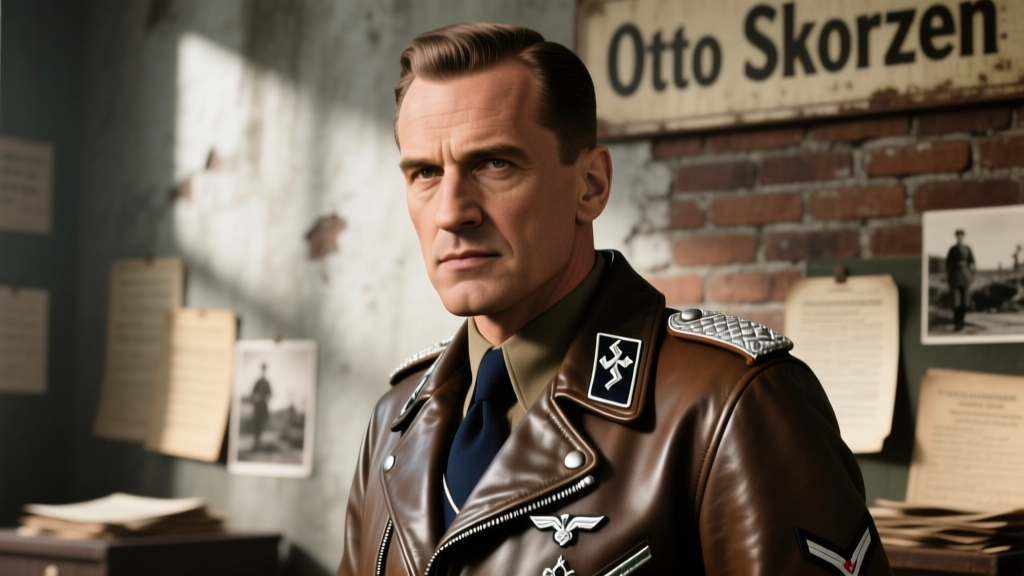
Skorzeny bore a prominent dueling scar (known as a Schmiss) on his left cheek, a souvenir from his days as a university student in Vienna. Rather than hiding it, he and the propaganda apparatus leaned into it. The scar became his ultimate visual trademark. In an era before digital avatars, a striking physical characteristic was the fastest way to ensure instant public recognition. Photographs distributed by the press consistently highlighted his imposing 6-foot-4 frame, his scarred visage, and his decorated uniform. This created an aura of intimidation and mythic invincibility. From a purely analytical branding perspective, Skorzeny understood that a unique visual identifier makes a profile unforgettable, even if the legacy attached to it is deeply sinister.
Social Media Presence and Digital Legacy
Because Skorzeny passed away in 1975, he does not have an official Instagram, TikTok, or X (formerly Twitter) account. However, his digital legacy and the way modern platforms curate his "bio" are incredibly active. To analyze his social media presence today, we must look at how history enthusiasts, military archive pages, and algorithmic content creators present him to modern audiences.
On platforms like Instagram and TikTok, pages dedicated to 20th-century military history frequently feature Skorzeny in "historical edit" videos. These short-form videos often use dramatic music, slow-motion archival footage, and bold, stylized text overlays to summarize his life in 60 seconds. His modern "bio" on these platforms is rarely a nuanced historical analysis; instead, it is highly optimized for engagement. Creators use his moniker, "The Most Dangerous Man in Europe," as a hook to stop users from scrolling.
Furthermore, his Wikipedia page serves as his primary digital biography. Unlike the heroic narrative he attempted to paint in his 1950 memoir Meine Kommandounternehmen (My Commando Operations), modern digital encyclopedias and historical databases provide a highly objective, critically vetted bio. They contextualize his actions within the atrocities of the Nazi regime, stripping away the glamorous veneer of the "gentleman commando" that post-war pulp magazines often portrayed. This contrast between his self-penned bio and his modern digital footprint highlights a crucial lesson in personal branding: you may write your own bio, but the public and historical record will ultimately write your legacy.
Personal Branding Takeaways for Modern Creators
While Otto Skorzeny was a controversial and dark figure in history, the mechanics of how his image was projected and how it survives online offer several beginner-friendly lessons for anyone looking to improve their own digital presence, bio, and personal brand today.
1. The Power of a Visual Trademark
Skorzeny’s scar and imposing height made him instantly recognizable in a sea of uniformed soldiers. For modern creators and professionals, having a consistent visual trademark—whether it is a specific color palette, a signature style of photography, or a distinct logo—helps your audience recognize your content instantly in a crowded social media feed. Your Instagram or LinkedIn profile picture should be as distinct and memorable as possible.
2. The Hook is Everything
The Allied press dubbed him "the most dangerous man in Europe." While the moniker was born out of wartime fear, it functioned as an incredibly effective "hook." In modern terms, this is your headline or your Instagram bio's first line. You must communicate exactly what makes you unique, formidable, or valuable in a single sentence. A strong hook compels the reader to click "more" or follow your page.
3. Narrative Control vs. Public Perception
Skorzeny spent his post-war life trying to control his narrative through memoirs and interviews, attempting to rebrand himself as an apolitical military professional. However, the modern digital footprint—curated by historians and digital archives—tells the unvarnished truth. The takeaway for modern personal branding is authenticity. If your social media bio and online persona do not align with your real-world actions and verifiable history, the internet will eventually correct the record. Build a personal brand rooted in genuine expertise and truth, rather than manufactured myths.
4. Leverage the "Explainer" Format
Today, Skorzeny’s complex military operations are consumed by millions through "beginner-friendly explainer" videos on YouTube and TikTok. If you are an entrepreneur, freelancer, or creator, packaging your complex skills into easy-to-understand, bite-sized explainers on your social media channels is one of the fastest ways to grow your authority and follower engagement.
Sources and Further Reading
- Encyclopædia Britannica. Otto Skorzeny: Austrian SS Officer. Available at: britannica.com/biography/Otto-Skorzeny
- HistoryNet. Otto Skorzeny: Hitler's Favorite Commando. Available at: historynet.com
- Skorzeny, O. (1950). Meine Kommandounternehmen. (Historical Memoir Reference for narrative analysis).
Disclaimer: This article analyzes the historical and digital branding mechanics of a World War II figure for educational purposes regarding personal branding and media literacy. It does not glorify or endorse the actions of the Nazi regime.