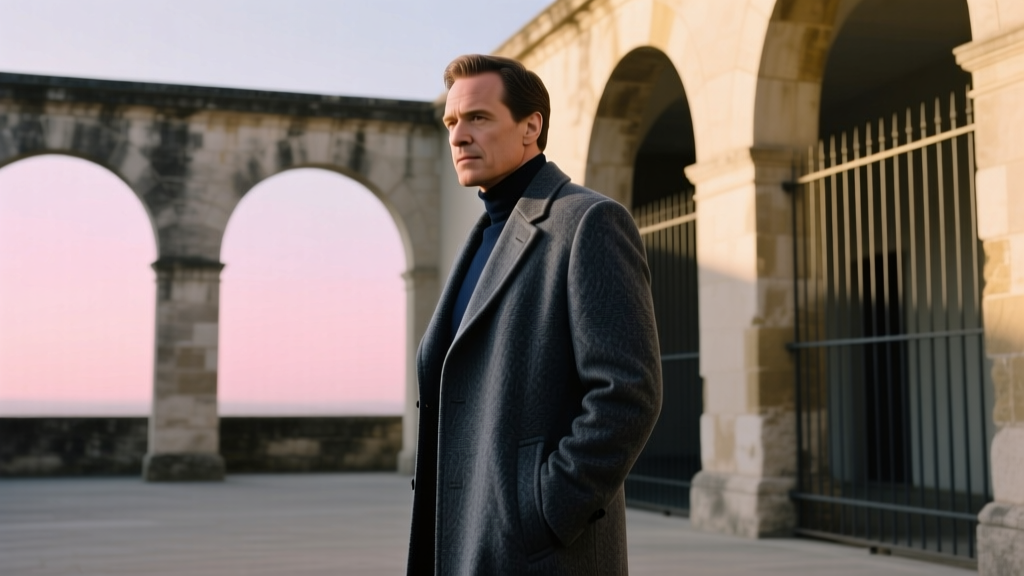
In an era where influencers broadcast every meal and thought, a fascinating counter-trend is emerging across the digital landscape: digital minimalism. Enter Paul Freeman, the legendary English actor best known for his iconic villainous turn as René Belloq in Raiders of the Lost Ark. Unlike modern celebrities who rely on TikTok dances and Instagram Stories to maintain relevance, Freeman’s online presence is a masterclass in legacy branding. By examining how Paul Freeman navigates the current digital landscape—or rather, how he intentionally opts out of the noise—we uncover powerful lessons for personal branding. You do not always need a loud social media bio to make a lasting impact. Sometimes, letting your portfolio speak for itself is the ultimate power move.
Quick Facts: The Man Behind the Villain
| Attribute | Details |
|---|---|
| Full Name | Paul Freeman |
| Born | January 18, 1943 (Barnet, Hertfordshire, England) |
| Nationality | British |
| Known For | Raiders of the Lost Ark, Without a Clue, Hot Fuzz |
| Digital Footprint | IMDb, Wikipedia, Fan Archives (No official personal social media) |
Paul Freeman and the Trend of Digital Minimalism
To understand Freeman's branding, we must first look at the current landscape of social media. Over the past decade, the internet has been dominated by the 'authenticity' trend, which ironically evolved into highly curated oversharing. Celebrities and everyday users alike felt pressured to document every waking moment, leading to widespread digital fatigue. Today, a new trend report reveals a sharp pivot toward 'digital minimalism' and 'quiet luxury' in personal branding. High-status individuals, legacy artists, and top-tier executives are increasingly withdrawing from the daily social media grind.
Paul Freeman represents the pinnacle of this legacy branding approach. He does not have a verified Instagram account, nor does he engage in Twitter debates. In the modern attention economy, where visibility is often mistaken for value, Freeman’s deliberate absence creates a powerful aura of mystique. His brand is not tied to ephemeral internet drama or sponsored posts; it is permanently anchored to a multi-decade career in cinema and television. For professionals and creatives looking to build a personal brand, Freeman’s approach highlights a crucial truth: your work is your best bio.
Career Highlights: A Filmography That Brands Itself
When you do not rely on social media to remind people of your relevance, your body of work must do the heavy lifting. Freeman’s career spans over five decades, showcasing incredible range that cements his status as a versatile character actor. His filmography acts as a masterclass in letting a portfolio serve as a personal brand.
- Raiders of the Lost Ark (1981): As the sophisticated, ruthless French archaeologist René Belloq, Freeman delivered one of the most memorable villainous performances in cinematic history, holding his own against Harrison Ford's Indiana Jones.
- Without a Clue (1988): Showcasing his comedic timing, Freeman played Professor Moriarty opposite Ben Kingsley's Dr. Watson and Michael Caine's bumbling Sherlock Holmes.
- Falcon Crest (1980s): His television work extended to prime-time soap operas, where he played the complex Gustav Riebmann, proving his ability to captivate weekly television audiences.
- Hot Fuzz (2007): Appearing in Edgar Wright's beloved action-comedy as Philip Shooter, Freeman introduced his talents to a new generation of film fans and internet meme culture.
Each of these roles contributes to a digital footprint that is rich, searchable, and permanently relevant. When fans or casting directors search for him, they are met with high-quality editorial content, critical reviews, and historical archives rather than fleeting social media updates.
Social Media Presence: The Power of Absence
Analyzing the social media presence of Paul Freeman requires analyzing a void—and that void is entirely strategic. While there are numerous fan pages, tribute accounts, and meme pages dedicated to his characters (particularly the 'Miranda!' scene from Raiders of the Lost Ark), Freeman himself maintains zero official personal profiles.
In the context of modern personal branding, this is known as relying on 'earned media' rather than 'owned media.' Instead of spending hours crafting the perfect Instagram caption, Freeman’s digital presence is managed by the algorithms of major databases like IMDb and Rotten Tomatoes. When a user searches his name, the top results are authoritative, professionally curated, and entirely focused on his craft. This lack of personal social media prevents brand dilution. There are no out-of-character controversies, no poorly aged opinions, and no desperate bids for engagement. His digital mystique remains intact, elevating his status from 'internet personality' to 'respected thespian.'
Personal Branding Takeaways for Your Bio
How can you apply the Paul Freeman method to your own Instagram, LinkedIn, or personal website bio? Here are three actionable takeaways from the trend of digital minimalism:
1. The 'Less is More' Bio Approach
You do not need to list every hobby, quote, and emoji in your social media bio. Take a cue from legacy actors by keeping your bio enigmatic but professional. State exactly what you do, link to your best work, and leave the rest to the imagination. A bio that reads 'Architect. Portfolio below.' often commands more respect than a cluttered list of buzzwords.
2. The Portfolio Pivot
Freeman’s IMDb page is his ultimate 'link in bio.' Shift your focus from generating daily social media content to building a robust, centralized portfolio. Whether you are a designer, writer, or consultant, use your bio link to direct traffic to a clean, professional website that showcases your best case studies. Let your results speak louder than your tweets.
3. Cultivate Digital Mystique
In an age of oversharing, privacy is a luxury. You can build a highly attractive personal brand by holding back. Share your professional victories, your creative process, and your polished final products, but keep your private life offline. This boundary creates a sense of prestige and mystique that draws people in, making them more interested in the work you actually choose to share.