Profile Introduction
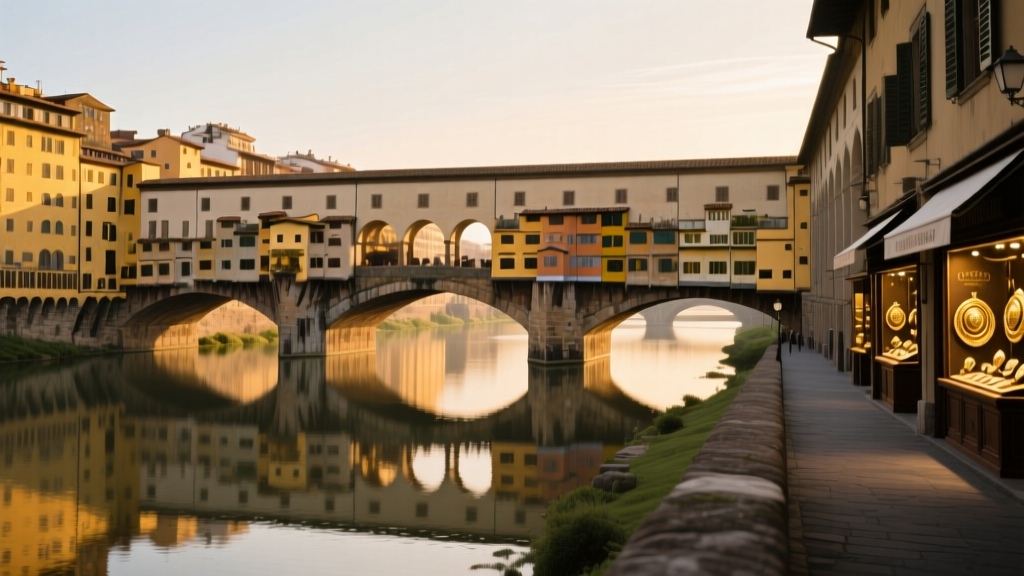
When we think of global icons with massive digital footprints, we usually picture pop stars, actors, or high-profile influencers. However, in the world of travel and architectural branding, the Ponte Vecchio stands as a masterclass in timeless personal branding and historical endurance. As the oldest stone closed-spandrel segmental arch bridge in Europe, the Ponte Vecchio has an origin story that reads like a legendary celebrity biography. From its humble Roman wooden beginnings to its current status as a highly-photographed luxury destination, this Florentine icon has mastered the art of visual storytelling. In this profile, we explore the rich history of the Ponte Vecchio, analyzing how a 14th-century structure built an enduring brand that generates millions of social media impressions every single year.
Quick Facts: The Ponte Vecchio Profile
| Attribute | Details |
|---|---|
| Full Name | Ponte Vecchio (Italian for 'Old Bridge') |
| 'Born' (Reconstructed) | 1345 (Original Roman crossing dates to antiquity) |
| Location / Nationality | Florence, Italy |
| Known For | Overhanging jewelry shops, the Vasari Corridor, surviving WWII |
| Social Media Footprint | Millions of geotags; heavily featured via @comunedifirenze and #PonteVecchio |
The Origin Story of Ponte Vecchio
To understand the branding genius of this architectural celebrity, we must look at its origin story. The narrative begins in ancient Rome. The original crossing was a wooden bridge built as part of the Via Cassia, a vital Roman road connecting Rome to northern Italy. For centuries, this early iteration of the bridge was vulnerable to the Arno River's violent temper, washing away and being rebuilt multiple times. It was the devastating flood of 1333 that finally wiped the slate clean, destroying the wooden structures and forcing the city of Florence to reimagine its most vital crossing.
The true 'rebranding' and permanent reconstruction occurred in 1345. Attributed to architects Neri di Fioravante and Taddeo Gaddi, the new Ponte Vecchio was a marvel of medieval engineering. Instead of relying on cluttered wooden supports that trapped debris during floods, the designers utilized three wide, shallow stone segmental arches. This structural choice not only saved the bridge from future flood damage but also created the iconic, elegant silhouette that defines its visual brand today. Furthermore, the city made a crucial monetization decision: they built small shops directly onto the edges of the bridge, suspending them over the water on wooden brackets. This transformed the bridge from a mere transit route into a bustling commercial hub, embedding commerce and community into its very identity.
The ultimate VIP branding move in the bridge's origin story happened in 1565. Cosimo I de' Medici, the powerful Duke of Florence, commissioned Giorgio Vasari to build an elevated, private passageway connecting the Palazzo Vecchio to the Pitti Palace. This corridor ran directly over the shops of the Ponte Vecchio, allowing the Medici family to traverse the city without ever stepping foot in the crowded streets below. This addition gave the bridge an aura of royal exclusivity that still captivates historians and tourists today. Finally, the bridge's legacy of resilience was cemented during World War II. In 1944, as retreating German forces destroyed every other bridge in Florence, the Ponte Vecchio was miraculously spared, allegedly due to a direct order from Adolf Hitler, making it a global symbol of survival and cultural preservation.
Social Media Presence & Digital Footprint
How does a medieval bridge maintain a massive social media presence in the modern era? While the Ponte Vecchio does not have a personal Instagram account, its digital footprint is curated through user-generated content (UGC), official tourism boards, and millions of geotags. On Instagram, the hashtag #PonteVecchio boasts millions of posts, effectively serving as a crowdsourced portfolio. The 'bio' of the bridge is written by the thousands of travel influencers and photographers who frame its warm yellow and terracotta overhanging shops against the Arno River, particularly during the golden hour. The visual consistency of these posts reinforces a highly recognizable color palette and aesthetic that users instantly associate with Florentine luxury and romance.
On platforms like TikTok and YouTube, the Ponte Vecchio's presence shifts from purely aesthetic to educational and experiential. Content creators produce ASMR walking tours, historical deep-dives into the Vasari Corridor, and luxury jewelry shopping hauls from the bridge's modern vendors. The official tourism accounts of Florence, such as @comunedifirenze, frequently leverage the bridge's image to promote the city's rich heritage, using the structure as the ultimate hook to drive engagement. The bridge's digital brand is one of accessible exclusivity; anyone can walk across it, but the master-crafted gold jewelry sold in its shops and the hidden Medici corridor above it maintain an air of high-end prestige. This duality keeps the Ponte Vecchio trending across diverse social media niches, from budget backpackers to luxury lifestyle vloggers.
Personal Branding Takeaways from Ponte Vecchio
What can modern creators, entrepreneurs, and professionals learn from a 14th-century stone bridge? The history of the Ponte Vecchio offers profound lessons in personal branding, niche pivoting, and audience management.
1. Pivot Your Niche for a Premium Audience
In the bridge's early days, the shops were occupied by butchers and fishmongers. While profitable, the meat scraps thrown into the Arno River created a foul odor and degraded the bridge's environment. In 1593, Ferdinand I issued a decree banning butchers and mandating that only goldsmiths and jewelers could operate on the Ponte Vecchio. This was a masterful rebranding pivot. By elevating the standard of its vendors, the bridge transformed from a smelly market into a premier luxury destination. The Takeaway: Do not be afraid to audit your current offerings and 'fire' clients or content pillars that dilute your brand's value. Pivoting to a premium niche can completely elevate your perceived authority and attract a higher-tier audience.
2. Cultivate an Aura of Exclusivity
The construction of the Vasari Corridor allowed the elite to experience the bridge from a hidden, private vantage point. This physical separation created a mystique that still fascinates people centuries later. The Takeaway: While your main content should be accessible to the public, always offer a 'Vasari Corridor' for your most dedicated followers. Whether it is a private newsletter, a Patreon community, or exclusive behind-the-scenes content, giving your top-tier audience a private passageway into your world builds intense loyalty and perceived value.
3. Authenticity and Resilience Outlast Trends
The Ponte Vecchio has survived floods, wars, and centuries of shifting architectural trends by maintaining its original, authentic silhouette. It never tried to modernize its exterior to match contemporary styles; it leaned into its medieval identity. The Takeaway: Trends on social media change weekly, but a deeply authentic personal brand is bulletproof. Identify your core visual and thematic pillars and protect them. When you stay true to your foundational identity, you become a timeless icon rather than a fleeting trend.
Sources & Further Reading
- Encyclopædia Britannica - Ponte Vecchio | History, Architecture, & Facts
- Museo Galileo - The Vasari Corridor and Medici History
- Firenze Turismo - Official Florence Tourism Board: Monument Profiles