Building a Digital Footprint in Sports Media
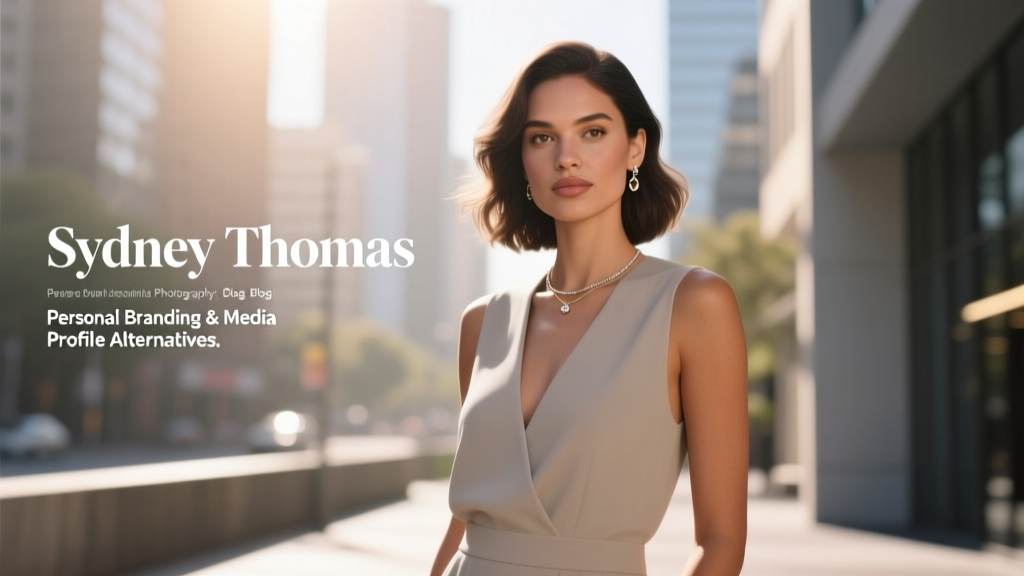
When building a personal brand in the hyper-competitive world of sports media, your digital footprint is just as important as your broadcast reel. Sydney Thomas has mastered this balance, establishing herself as a prominent NBA and NFL sideline reporter while cultivating a highly engaging online presence. For aspiring broadcasters, journalists, and professionals looking to optimize their own social media profiles, analyzing her digital strategy offers a masterclass in modern personal branding. Rather than relying solely on network affiliation, Thomas uses her platforms to blend professional authority with approachable, behind-the-scenes storytelling. In this comparison and alternatives analysis, we will break down the bio architecture, content pillars, and branding choices of Sydney Thomas, comparing her approach to other prominent sports media alternatives to help you craft the perfect profile.
Quick Facts: Sydney Thomas & Career Highlights
| Attribute | Details |
|---|---|
| Full Name | Sydney Thomas |
| Hometown | Cincinnati, Ohio |
| Education | Ohio University (Scripps College of Communication) |
| Known For | NBA & NFL Sideline Reporting, Sports Broadcasting |
| Primary Handles | @SydneySThomas (X/Twitter), @sydneythomas (Instagram) |
| Network Affiliations | Fox Sports, Bally Sports, CBS Sports |
The Sydney Thomas Social Media Presence & Bio Architecture
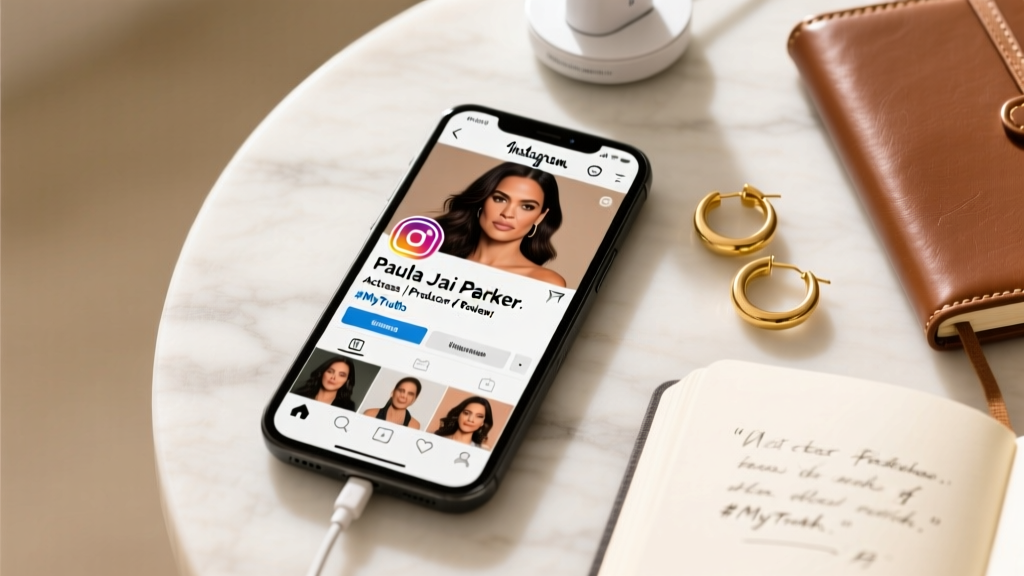
A successful Instagram or X bio in the media industry must accomplish three things in under 150 characters: establish immediate credibility, provide a contact vector, and hint at the human behind the microphone. The Sydney Thomas social media presence is a prime example of the 'Hybrid Authority' bio structure. On her primary visual platforms, her bio typically follows a highly effective, stacked formula:
- Line 1: The Credential Anchor. Highlighting current major network affiliations or specific league coverage (e.g., NBA/NFL Sideline Reporter).
- Line 2: The Personal Anchor. Mentioning her roots (Cincinnati) or alma mater (Ohio University), which builds immediate parasocial rapport with regional fans and alumni networks.
- Line 3: The Business Vector. A clear email address or management contact for booking and PR inquiries.
- Line 4: The Link-in-Bio. Routing traffic to a centralized hub featuring her latest broadcast clips, podcast appearances, and brand partnerships.
This structure is deliberate. Unlike influencers who rely on mystery or pure aesthetics, sports journalists must be easily discoverable by PR reps, producers, and fans. Thomas uses her bio not just as an introduction, but as a digital business card that works 24/7. Her grid aesthetic mirrors this balance, alternating between high-stakes sideline action shots, broadcast graphics, and relatable travel or fashion content that humanizes the grueling sports media schedule.
Comparison: Sydney Thomas vs. Sports Media Alternatives
To truly understand the effectiveness of a personal brand, it helps to compare it against industry alternatives. When professionals look to model their own bios and profiles, they generally encounter three distinct archetypes in the sports media landscape. Here is how the Sydney Thomas approach compares to the leading alternatives.
Alternative 1: The 'Network Loyalist' Approach
Many traditional sports journalists adopt a bio strategy that is entirely dependent on their current employer. Think of high-profile network anchors whose bios simply read: 'Host of [Show Name] on [Network]. Views are my own.' While this establishes immediate authority, it is a fragile branding strategy. If the journalist changes networks or goes freelance, their entire digital identity requires a rebuild. Furthermore, it offers zero personal connection. The Verdict: While safe for established legacy media figures, this alternative lacks the personal equity and audience loyalty that Thomas builds by integrating her hometown and personal interests into her brand identity.
Alternative 2: The 'Creator-Influencer' Approach
On the other end of the spectrum are sports media personalities who brand themselves primarily as lifestyle influencers or podcasters. Their bios are heavily weighted toward merch drops, sponsor codes, and YouTube channel links. While highly monetizable, this approach can sometimes dilute their journalistic credibility, making it harder to be taken seriously by athletes and coaches during sideline interviews. The Verdict: Thomas avoids this trap. She maintains strict journalistic integrity in her bio and primary content, treating brand partnerships as secondary to her core identity as a credentialed sideline reporter.
Alternative 3: The 'Sydney Thomas' Hybrid Model
Thomas represents the modern ideal: the Relatable Sideline Pro. By comparing her profile to the alternatives, we see that she leverages network prestige (Fox Sports, CBS) to gain access, but uses her personal branding (fashion, travel realities, Ohio University pride) to retain the audience. Her bio invites engagement from multiple demographics: hardcore sports fans respect the credentials, alumni networks engage with the personal touches, and brands see a polished, professional ambassador. This hybrid model is the most resilient and versatile alternative for any professional building a bio today.
Decoding the Grid: Content Pillars & Engagement
A bio gets users to your profile, but your content strategy dictates whether they hit the follow button. Analyzing Thomas's social media footprint reveals three distinct content pillars that drive high engagement and follower retention:
- The Sideline Reality: Fans love seeing what they cannot see on the television broadcast. Thomas frequently shares behind-the-scenes looks at the preparation required for a national NBA or NFL broadcast, from mic checks to weather prep. This builds immense professional respect.
- Broadcast Fashion & Style: Sideline reporting requires navigating extreme weather while maintaining a camera-ready appearance. Thomas has carved out a niche in highlighting sideline fashion, collaborating with brands, and showing the practical realities of sports media styling. This attracts a diverse audience beyond traditional sports demographics.
- Fan & Community Interaction: Unlike reporters who treat social media as a one-way megaphone, Thomas actively engages with her audience, participating in sports debates, replying to fan questions, and sharing her genuine reactions to the games she covers. This approachability is a direct extension of the welcoming tone established in her bio.
Personal Branding Takeaways for Your Own Bio
Whether you are an aspiring journalist, a real estate agent, a freelance consultant, or a creative professional, the strategies utilized by top-tier media personalities can be directly applied to your own Instagram, X, or LinkedIn profiles. Here are the core personal branding takeaways inspired by our analysis:
1. Stack Your Credentials, But Keep Your Humanity
Do not let your job title be the only thing in your bio. Use the 'Hybrid Authority' model. State your professional role clearly on the first line, but use the second line to anchor your personality. Mention your hometown, a quirky hobby, or your alma mater. This gives people multiple reasons to connect with you beyond just your job.
2. Optimize Your Link-in-Bio Routing
Professionals like Thomas rarely link directly to a single article or a static website. They use dynamic landing pages (like Linktree or custom domain hubs) that route traffic based on user intent. Ensure your bio link includes a 'Work With Me' or 'Contact' button, a link to your latest major project, and a secondary link to your other social platforms.
3. Use the 'Behind-the-Scenes' Grid Strategy
Your profile grid should not just be a portfolio of finished products; it should be a documentary of your process. If you are a designer, show the sketches. If you are in sales, show the prep for a major pitch. Audiences engage with the grind and the reality of your profession just as much as the polished final result.
4. Maintain a Clear Business Vector
If you want to be hired, booked, or featured, make it frictionless. Always include a professional email address or a clear call-to-action (e.g., 'Booking inquiries below') in your bio. Never make a potential client or collaborator hunt through your DMs to figure out how to work with you.
Sources & Further Reading
The analysis of sports media branding and profile strategies is informed by industry observations and the following resources:
- Ohio University Scripps College of Communication - Alumni success profiles and broadcasting program foundations.
- Barrett Sports Media - Industry analysis on sports broadcasting careers and network affiliations.
- Direct observation of verified social media profiles and public broadcast portfolios across X and Instagram.