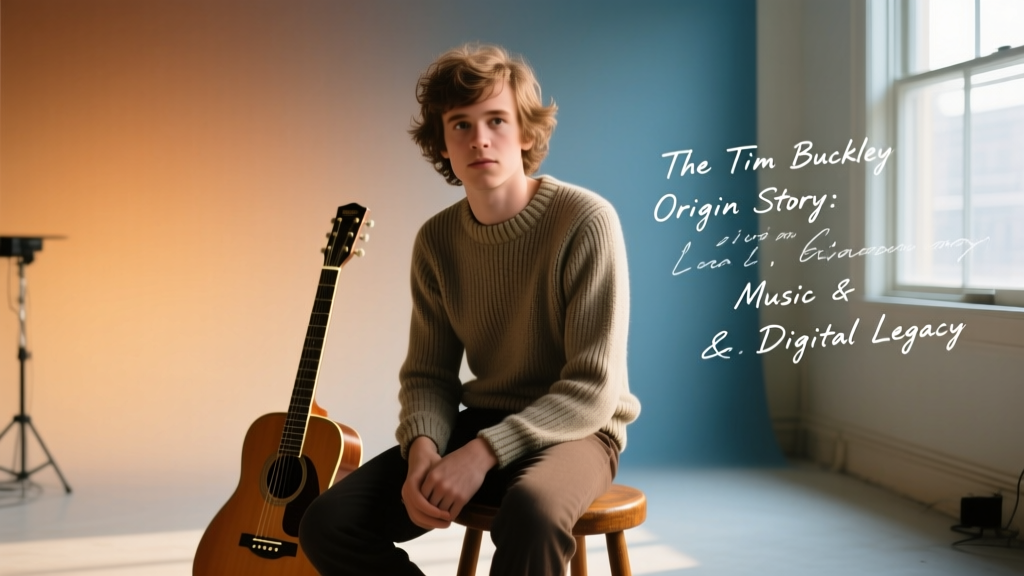
When exploring the history of American music, the Tim Buckley origin story stands as one of the most fascinating tales of rapid artistic evolution. Born in 1947, Buckley did not just participate in the 1960s folk revival; he dismantled it, rebuilding his sound through jazz, psychedelia, and avant-garde soul. For modern creators and personal branding enthusiasts, studying Buckley is not just about music history—it is a masterclass in authentic brand pivoting and the enduring power of an origin story. Though he passed away in 1975, his digital footprint today offers unique lessons on legacy branding, archival storytelling, and how an estate curates a historical figure's online bio.
Quick Facts: The Man Behind the Myth
| Attribute | Details |
|---|---|
| Full Name | Timothy Charles Buckley III |
| Born | February 14, 1947 (Washington, D.C.) |
| Died | June 29, 1975 (Los Angeles, California) |
| Nationality | American |
| Known For | 'Song to the Siren', 'Greetings from L.A.' |
| Genres | Folk, Psychedelic, Avant-Garde, Soul |
| Digital Presence | @timbuckleymusic (Official Estate Accounts) |
The Origin Story of Tim Buckley: From Folk Prodigy to Avant-Garde Icon
Tim Buckley's origin story begins in Washington, D.C., but his artistic identity was forged in Southern California. Raised in Anaheim, a young Buckley immersed himself in jazz, blues, and the burgeoning folk scene. He met lyricist Larry Beckett in high school, and together they formed the Bohemians, a folk group that eventually caught the attention of the legendary Elektra Records. Jac Holzman signed Buckley in 1966, placing him in the same roster as The Doors and Judy Collins.
However, Buckley's origin story is defined not by his entry into the folk scene, but by his rapid departure from it. While his peers were content to refine traditional folk structures, Buckley possessed a restless, multi-octave tenor voice that demanded experimentation. Influenced by jazz icons like Miles Davis and Charles Mingus, as well as avant-garde composers, Buckley began to treat his voice as an instrument, stretching the boundaries of what a singer-songwriter could be. This relentless drive to evolve is the cornerstone of his historical brand.
Discography and Brand Eras
To understand Buckley's personal brand, one must look at his distinct 'eras.' Much like modern creators who pivot their content strategies, Buckley completely reinvented his sonic identity with almost every release:
- The Folk Era (1966-1967): Tim Buckley and Goodbye and Hello. Here, his brand was aligned with the Greenwich Village folk revival. The aesthetic was acoustic, poetic, and deeply rooted in the counterculture movement.
- The Jazz-Psychedelic Era (1969-1970): Happy Sad, Blue Afternoon, and Lorca. Buckley shed the standard pop-song format. His brand became esoteric, improvisational, and deeply emotional, alienating some mainstream fans but cementing his legacy among audiophiles.
- The Soul & Funk Era (1972-1973): Starsailor and Greetings from L.A.. In his most shocking pivot, Buckley adopted a 'blue-collar soul' persona. Drawing from R&B and funk, his lyrics became raw and provocative. This era proved that a strong personal brand can survive radical reinvention if the core authenticity remains intact.
Tim Buckley on Social Media: Curating a Posthumous Digital Brand
Because Buckley passed away long before the internet era, he does not have a personal Instagram account. However, the official estate manages his digital brand on platforms like Instagram (@timbuckleymusic) and Facebook. Analyzing these legacy accounts provides incredible insights into historical personal branding and bio curation.
The Instagram bio for the official Tim Buckley estate is a masterclass in minimalist authority. It typically avoids the clutter of excessive emojis or trending hashtags. Instead, it relies on stark, historical facts: 'Official Instagram of Tim Buckley. 1947-1975.' This is immediately followed by a clean Linktree or direct link to streaming platforms, archival merchandise, and documentary features.
The posting style relies heavily on vintage aesthetics, rare audio snippets, and historical quotes. The grid is curated like a digital museum, using sepia tones, original album artwork, and behind-the-scenes studio photography. Engagement is highly targeted, driven by audiophiles, fans of his son Jeff Buckley, and folk historians. The estate uses Instagram Stories and Highlights to categorize his different musical 'eras,' effectively using the platform's native tools to tell his complex origin story to a new generation.
Personal Branding Takeaways from the Buckley Legacy
What can modern creators, entrepreneurs, and artists learn from a musician who died nearly 50 years ago? Quite a lot.
- Embrace the Authentic Pivot: Buckley's shift from folk to avant-garde soul was commercially risky, but it made him a legend. If your personal brand or business is evolving, do not be afraid to update your bio and content to reflect your new 'era.' Audiences respect authenticity over algorithmic consistency.
- Master the Minimalist Legacy Bio: When building authority, you don't always need a quirky or humorous Instagram bio. Sometimes, a stark, authoritative statement (e.g., 'Founder of X. Est. 2018.') paired with a highly optimized link-in-bio commands the most respect. Let your work speak for itself.
- Use Highlights for Archival Storytelling: Just as the Buckley estate uses Instagram Highlights to separate his folk, jazz, and soul eras, you can use Highlights to showcase the 'origin story' of your own brand. Create dedicated folders for 'My Journey,' 'Early Projects,' and 'Current Focus' to give new followers immediate context about your evolution.
- Link to the Deep Cuts: Your bio link shouldn't just point to a generic homepage. Like the Buckley estate linking to specific archival releases and documentaries, use your bio link to direct your audience to your most defining, high-value work.
Sources and Further Reading
- AllMusic: Tim Buckley Biography - A comprehensive look at his discography and artistic shifts.
- NPR Music: Tim Buckley Archives - Audio archives and historical context regarding his impact on American folk and jazz.
- The Official Tim Buckley Website - Managed by the estate, featuring archival photos, discography, and official merchandise.