When analyzing the most impactful entities on social media, we usually focus on human influencers, musicians, or actors. However, one of the most frequently searched, widely misunderstood, and dangerously glamorized subjects on platforms like TikTok and Instagram is Alcohol Poisoning. While Alcohol Poisoning is a severe medical condition rather than a human celebrity, its digital footprint is massive. It trends daily through viral drinking challenges, college party recap reels, and influencer culture. At lovemebio.com, we believe that understanding how dangerous trends are packaged and presented online is crucial for building a responsible, authentic personal brand. In this unique profile, we treat Alcohol Poisoning as the ultimate viral antagonist. We will break down the FAQs, debunk common social media misconceptions, and analyze how the glamorization of extreme drinking affects personal branding. If you are curating your online presence, understanding the reality behind these viral trends is essential for protecting your reputation and your life.
| Attribute | Details |
|---|---|
| Full Name | Alcohol Poisoning (Ethanol Toxicity) |
| 'Born' | Antiquity (Documented throughout human history) |
| Nationality | Global Phenomenon |
| Known For | Viral TikTok challenges, ER admissions, BAC limits, internet myths |
| Social Media Handles | @CDCgov, @NIH_NIAAA (Official health authorities tracking the data) |
The Digital Footprint: How Alcohol Poisoning Trends Online
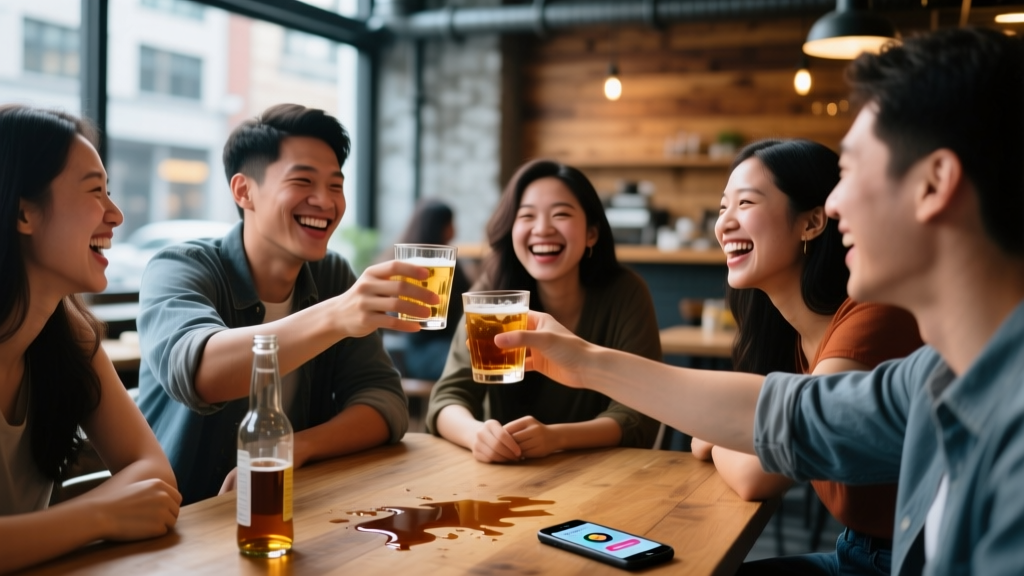
If Alcohol Poisoning had a social media manager, its strategy would be built on shock value, peer pressure, and the dangerous glamorization of excess. On platforms like Instagram and TikTok, the 'brand' of extreme drinking is often packaged as a rite of passage. Hashtags related to binge drinking and blacking out frequently accumulate millions of views, creating a distorted reality where dangerous consumption is equated with social status and popularity. The algorithms favor high-engagement, sensational content, which inadvertently pushes videos of rapid-fire drinking games or 'power hour' challenges to the top of users' feeds.
However, the real-world statistics paint a much darker picture than the curated party reels. According to the Centers for Disease Control and Prevention (CDC), there is an average of six deaths per day from alcohol poisoning in the United States alone. The condition occurs when a massive concentration of alcohol in the bloodstream shuts down areas of the brain that control breathing, heart rate, and body temperature. When influencers and content creators build their personal brands around the ability to 'out-drink' their peers, they are not just risking their own health; they are actively promoting a lethal behavior to impressionable audiences. Understanding this digital footprint is the first step in recognizing how toxic party culture is normalized through our screens.
FAQ & Common Misconceptions About Alcohol Poisoning
Because social media is rife with bad advice, it is vital to separate internet myths from medical facts. Here are the most common misconceptions about Alcohol Poisoning that frequently circulate online, debunked by medical science.
Myth 1: 'Sleeping it off' is the safest option.
The Reality: This is one of the most dangerous myths on the internet. When a person passes out from excessive drinking, they are not simply 'sleeping.' Their Blood Alcohol Concentration (BAC) can continue to rise even after they stop drinking, as the stomach and intestines continue to release alcohol into the bloodstream. A person left alone to 'sleep it off' can easily slip into a coma or stop breathing. The Mayo Clinic explicitly advises never leaving an unconscious person alone, as their gag reflex may be impaired, leading to choking on vomit.
Myth 2: Coffee, cold showers, or energy drinks will sober you up.
The Reality: Viral TikTok 'life hacks' often suggest that a cold shower or a strong cup of coffee can reverse the effects of alcohol. In reality, only time allows the liver to metabolize alcohol (typically at a rate of about one standard drink per hour). Caffeine might make a person feel more alert, but it does not lower their BAC or restore their motor skills and decision-making abilities. It merely creates a 'wide-awake drunk,' which can lead to more dangerous decisions.
Myth 3: You only get alcohol poisoning from hard liquor.
The Reality: Binge drinking is defined by the amount of alcohol consumed in a short period, not the type of beverage. Consuming large quantities of beer, wine, or sugary mixed drinks in a short timeframe can absolutely lead to alcohol poisoning. The National Institute on Alcohol Abuse and Alcoholism (NIAAA) notes that the sugar and carbonation in some mixed drinks can actually mask the taste of alcohol or speed up absorption, leading to unintentional overconsumption.
Influencer Culture and the 'Party' Personal Brand
For years, a specific archetype of influencer dominated social media: the 'Professional Party Animal.' These creators built their bios, content strategies, and brand deals around a lifestyle of relentless clubbing, bottle service, and heavy drinking. Their Instagram bios often featured emojis of champagne bottles, slogans like 'Here for a good time, not a long time,' and links to nightlife promotions. This personal branding strategy relied on the aspirational nature of VIP culture.
However, as audiences have matured and the real-world consequences of substance abuse have become more visible, the 'sloppy drunk' brand has faced severe backlash. We are currently witnessing a massive shift in influencer personal branding toward the 'sober curious' and 'mindful drinking' movements. Creators who once glamorized blacking out are now pivoting their bios to promote mocktail recipes, morning routines, and mental health advocacy. This pivot is not just a moral choice; it is a strategic branding decision. Advertisers are increasingly hesitant to associate their products with reckless behavior, and audiences are demanding authenticity and wellness over performative toxicity. The modern, successful personal brand is rooted in vitality, clarity, and sustainable lifestyle choices, rather than the dangerous pursuit of alcohol-fueled validation.
Personal Branding Takeaways: Curating a Safe, Authentic Profile
What can we learn from the dangerous digital footprint of Alcohol Poisoning and the shifting landscape of party culture? Here are vital takeaways for crafting your own social media presence and bio.
1. Audit Your Digital Footprint for Toxic Tropes
Look closely at your past posts and your current bio. Are you using phrases that glamorize losing control? Slogans that joke about 'needing a drink to survive the week' or 'blacking out' might seem like harmless relatable humor, but they contribute to a culture that normalizes substance abuse. Rebrand your humor to focus on your actual passions, achievements, and genuine personality traits.
2. Embrace the 'Mindful Living' Bio
If you are part of the growing demographic that prefers wellness over wild nights out, let your bio reflect that. Instead of generic party quotes, use your bio space to highlight your hobbies, your favorite sober-curious spots, or your fitness goals. A bio that reads 'Fueling my weekends with trail runs and great coffee' attracts a much higher quality network than one centered around happy hour specials.
3. Use Your Platform for Positive Advocacy
If you have a substantial following, consider using your influence to share factual, life-saving information. Sharing resources from the CDC or NIAAA during awareness months, or simply posting about the benefits of taking a break from alcohol, can position you as a mature, responsible leader in your niche. True influence is about protecting and uplifting your community, not leading them into dangerous viral trends.
4. Authenticity Over Performative Partying
The most magnetic personal brands are built on truth. If you had a quiet Friday night reading a book or watching a documentary, own it. The pressure to document every night out as a 'legendary' event is a fast track to burnout and poor decision-making. Let your bio and your content reflect the multifaceted, authentic person you are, rather than a one-dimensional caricature of a partygoer.